
01STATE GRANTS
California DCAP and Clean Cars 4 All
Different pathways have different income rules, vehicle-scrapping requirements and application status. Do not buy first.
Check program statusIn 2026, car-purchase support comes mainly from state clean-air programs, local assistance and nonprofit financing, not a universal federal car grant. California offers replacement incentives, while its $7,500 DCAP financing pathway has paused new applications. Federal new and used EV tax credits ended in 2025.
Searching for government car grants often mixes donations, income-based state vehicle incentives and loans that must be repaid. Start with our free car assistance overview if a donated vehicle is your main goal, or compare the direct charity application process. Here you can compare low-income auto loan options with state grants, including what has closed and which programs may still be worth checking.
As of November 2026, the federal consumer EV credits ended for vehicles acquired after September 30, 2025. California's Driving Clean Assistance Program has different eligibility and application windows. A state down-payment grant is not a free vehicle and cannot be counted as approved until the administrator issues an authorization.
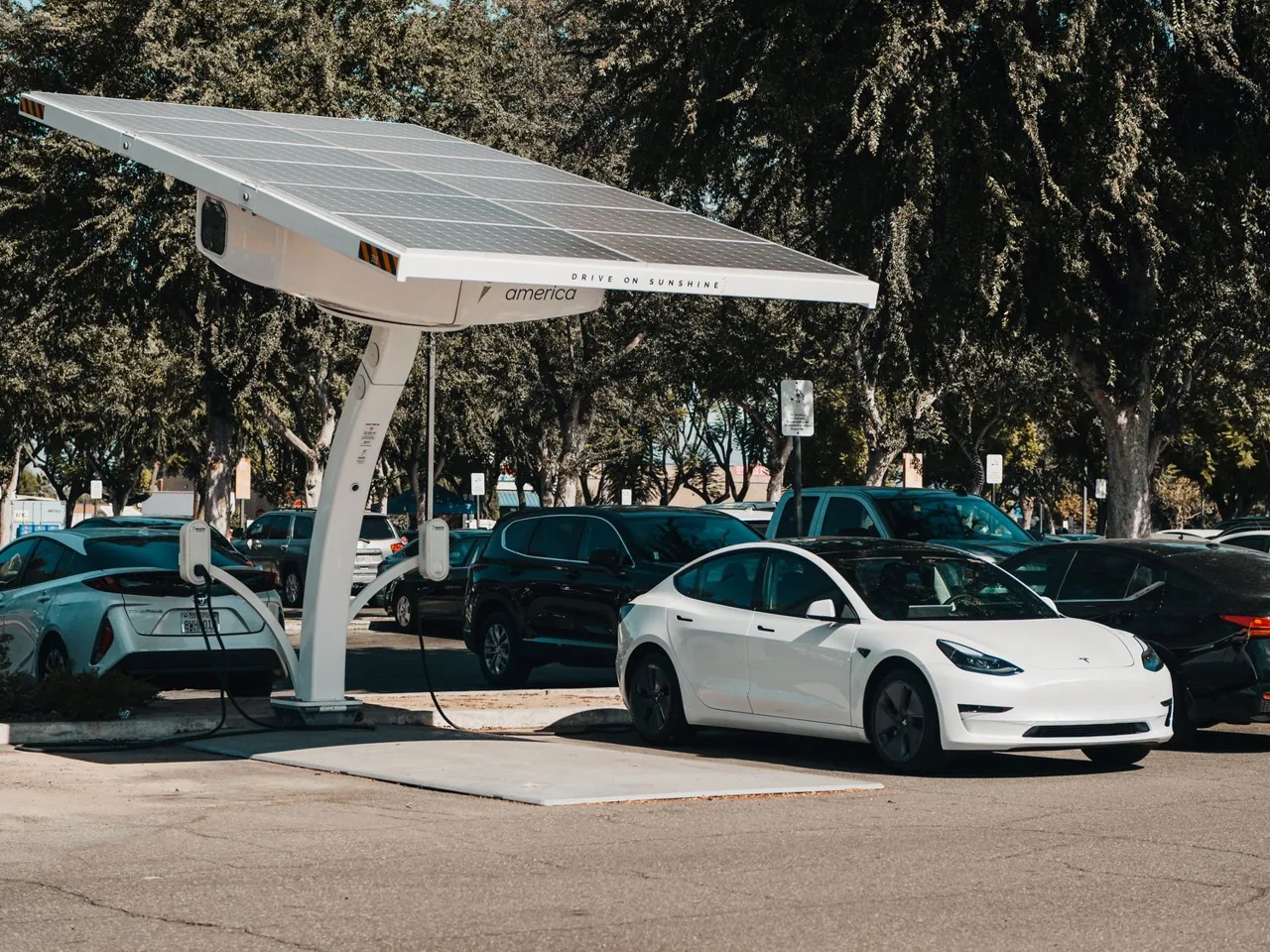
IRS new, used and commercial clean vehicle credits are unavailable for vehicles acquired after September 30, 2025. A qualifying binding contract before that deadline is a separate historical rule, not a new 2026 credit.
DCAP announced August 21, 2026 that its Financing Assistance pathway was closed to new applications due to demand. Its Clean Cars 4 All scrap-and-replace option remained open under stated rules and funding.
Different pathways have different income rules, vehicle-scrapping requirements and application status. Do not buy first.
Check program statusUse the 2026 HHS guideline for your household and compare title, registration and insurance costs. This is not an approval.
Open the calculatorCDFI and credit-union products have repayment terms. California's low-cost liability insurance is separate from vehicle grants.
Understand finance termsInteractive tool 03 · Official 2026 HHS figures
Select household size and state to see your 200% federal poverty guideline, plus a clearly labeled vehicle-cost planning range.
The 200% HHS income benchmark uses exact 2026 figures. Each state or charity program may use a different income test.
An approved allowance, charity award, vehicle modification and repayable loan are not interchangeable. Each option has different application rules and costs. The receiving organization makes any official decision.
There is no universal federal car-buying grant that gives every low-income applicant a vehicle or an unrestricted check. Search results sometimes combine special VA automobile benefits, state air-quality incentives, transportation support tied to work, charity car awards and loans. Each has a different legal purpose and eligibility standard. A government-related program should identify the responsible agency, current funding, allowable expenses and actual application portal.
When evaluating a claim, ask whether the program awards a donated vehicle, contributes toward a qualifying transaction, finances a purchase, pays a repair shop or provides rides. A financing offer with monthly payments is not a grant even if the lender works with a nonprofit. A grant applied at a participating dealership usually reduces the price the household must finance; it does not mean that the buyer owes nothing.
Families who need a vehicle for work should also ask county employment programs whether approved transportation support exists under their particular case plan. If the only option is an uncertain application, our local 211 and Community Action resources can help identify other transportation pathways without assuming a nationwide automobile giveaway.
The IRS confirms that the New Clean Vehicle Credit, Previously-Owned Clean Vehicle Credit and Qualified Commercial Clean Vehicle Credit generally are not available for vehicles acquired after September 30, 2025. This changed the federal incentive landscape. An advertisement offering an automatic federal $7,500 EV discount on a new 2026 purchase is not describing an active nationwide credit under those rules.
For a taxpayer who entered into a binding written contract and made a payment on or before the September 2025 deadline, the IRS explains a separate placed-in-service rule. That is relevant to some older transactions and should not be marketed as a way to create a new 2026 grant. Consult the IRS clean vehicle credit notice if you are reviewing an older purchase.
State incentive programs are not identical to a federal tax credit. California, for example, administers income-targeted clean-air assistance with conditions on location, vehicle type, retirement of an older car, financing and participating dealerships. Their own published status, not a generic EV tax-credit headline, determines whether an applicant can move forward.
California's Driving Clean Assistance Program (DCAP) has offered down-payment help for income-qualified households through different pathways. Its Financing Assistance route has included a stated $7,500 contribution for an eligible battery electric or fuel-cell vehicle and $7,000 for an eligible plug-in hybrid, subject to the program's own eligibility and approved purchase rules.
That does not mean applications are currently being accepted. DCAP announced on August 21, 2026 that its Financing Assistance pathway closed to new applications because demand was high. Do not submit to an unrelated page advertising immediate $7,500 approvals. The operator's rollout and application status page is the appropriate place to check for a future reopening.
DCAP has a separate Clean Cars 4 All scrap-and-replace pathway, which the August 2026 notice described as still accepting eligible applications. Those options can require retirement of a qualifying older vehicle and may serve particular income, region and household circumstances. A closed financing pathway should not be treated as proof that every other DCAP service is closed.
Clean Cars 4 All (CC4A) is designed to help qualified California households retire an older, higher-polluting vehicle and obtain a cleaner replacement or an approved alternative mobility benefit. Program rules vary by the administering air district, household income and residence in qualifying disadvantaged communities. California's Air Resources Board publishes current statewide and local program guidance.
Published program materials describe replacement incentives of up to $10,000 for some zero-emission vehicles for qualifying households at or below 300% of the federal poverty guideline, or up to $12,000 in certain disadvantaged communities. Eligible plug-in hybrids may have different maximums, such as $9,500 or $11,500. These are program maximums, not guaranteed payments for every buyer.
To use scrap-and-replace assistance, participants generally need to document an eligible older vehicle and meet the program's residency, income, title and operation requirements. Review the relevant local air district rules and funding status before scrapping a car or paying a dealer. Some households may instead qualify for non-vehicle mobility options; do not assume one advertised amount applies to every choice.
Clean Cars 4 All materials also describe an alternative mobility benefit with a face value of up to $7,500 for eligible participants who retire a qualifying vehicle but do not purchase another car. Depending on the program, eligible uses can include transit, shared vehicles or other approved mobility services. This is fundamentally different from a $7,500 check to buy any used car.
Confirm whether the participating air district offers the mobility alternative, how the balance is administered and which transportation providers can accept it. A family may prefer that option if public transportation and shared travel are sufficient and owning an electric vehicle would require expensive charging arrangements, insurance or repairs.
Compare your overnight commute and childcare trips with the approved travel network before retiring a vehicle. Ask how long the program's mobility benefit would last.
State assistance is often paid in connection with a completed transaction at an approved dealership, rather than handed directly to the household. DCAP guidance asks participants to bring an approval packet and, where applicable, financing preapproval. A qualified dealer applies the grant to the eligible down payment or transaction. A car bought outside the authorized process may not qualify for reimbursement.
Ask about mileage, inspection, recalls, model eligibility, financing and any remaining balance. An incentive is not a free vehicle if substantial debt remains.
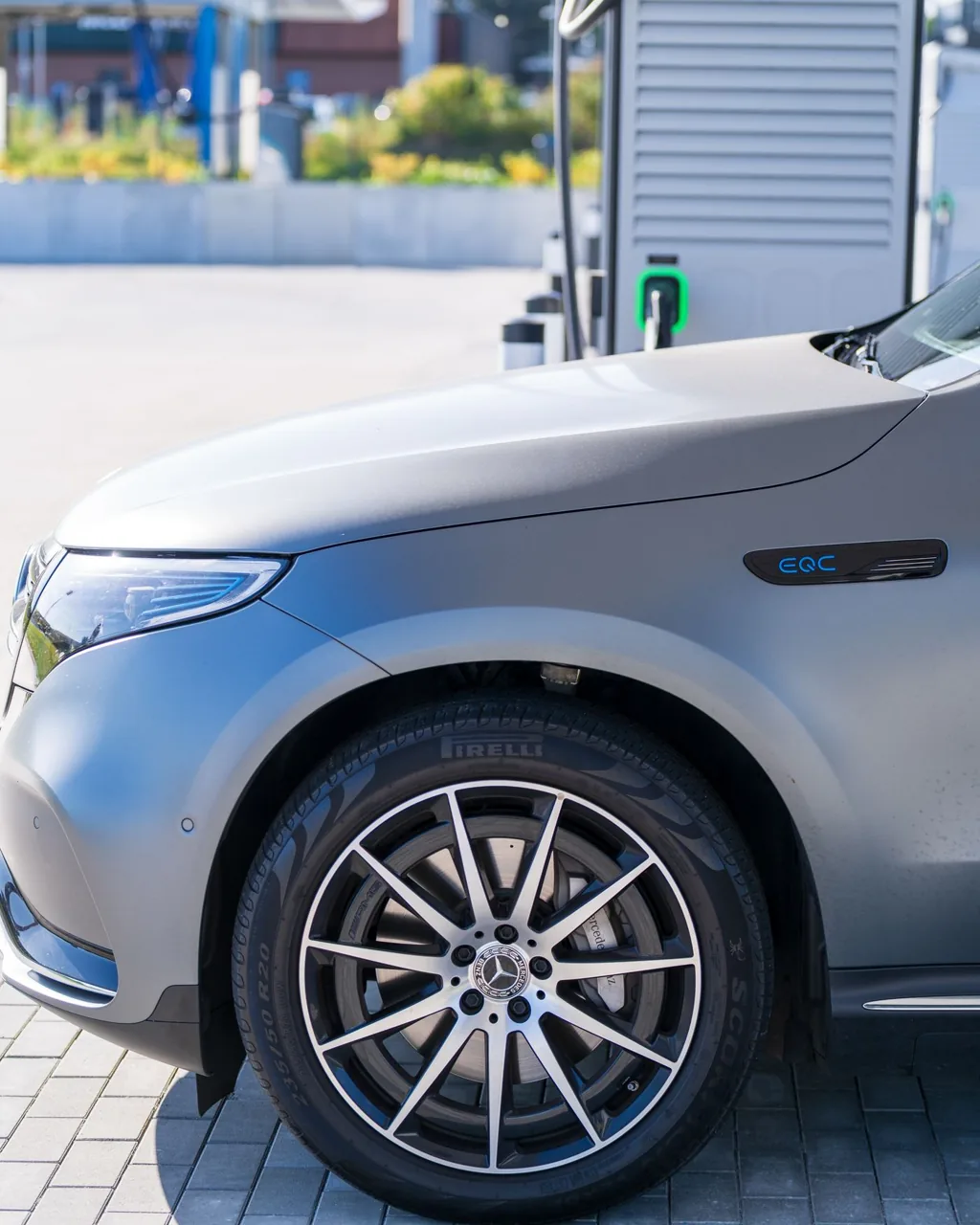
Charging assistance can be separate from purchase assistance, with amounts and equipment limitations set by the current program. Ask about charging compatibility, installation feasibility, service fees, public charging costs and warranty coverage. A buyer who cannot charge at home should compare available public charging locations before signing a long-term loan.
The US Department of Health and Human Services publishes 2026 poverty guidelines for the 48 contiguous states and Washington, DC, with separate figures for Alaska and Hawaii. For example, a three-person household's 2026 guideline in the contiguous states is $27,320 at 100%, or $54,640 at 200%. A four-person household's 200% amount is $66,000. The interactive calculator above uses the full 2026 HHS table for household sizes one through eight.
But not every car-assistance program tests income at 200% of the HHS guideline. California Clean Cars 4 All may use a 300% guideline and additional location requirements. A nonprofit may use a different definition of income or accept categorical benefit evidence, while a CDFI lender tests whether the household can repay a loan. The calculator is a planning reference, not a universal approval screen.
Review the official HHS poverty guideline tables and ask whether the program uses gross income, a particular period or different household definitions. The calculator cannot decide eligibility.
A Community Development Financial Institution (CDFI) may offer credit counseling and financing designed for people underserved by conventional lenders. A car loan from a CDFI or credit union is still a repayable obligation. The contract can include interest, fees, insurance requirements and consequences if payments are missed. There is no single federal CDFI loan rate available to every low-income buyer.
Some historic programs, including Ways to Work initiatives, have helped workers obtain reliable vehicles through local lending partnerships. A historic program name does not establish that a lender has an open automobile product in your county today. The phrase “Working Cars for Working Families” has also been used for policy or advocacy work, not necessarily a public application for a free car.
When a legitimate local lender offers a car product, request the APR, loan term, total financed amount, fees, expected monthly payment and vehicle inspection requirements. Compare the offer with a mainstream credit union's first-time buyer program and avoid any “guaranteed approval” lender seeking advance gift-card payments. For households who only need a repair, car-repair assistance may be safer than financing another vehicle.
Owning a car requires insurance in most states, and the first premium can consume a large portion of a household's cash savings. California offers a separate, state-authorized Low Cost Automobile Insurance Program (CLCA) for qualifying drivers. Its purpose is to help eligible individuals obtain affordable liability protection, not to pay for the purchase of a vehicle.
California's Department of Insurance describes CLCA as an income-based program operating through certified insurance agents. Applicants must meet the program's eligibility criteria and may have choices about how to obtain information and apply. Consult the California Department of Insurance page for the authorized program website, phone number and current requirements.
Do not assume a reduced-cost policy provides the same coverage as a comprehensive or collision package required by a lender. Read the policy's liability limits and exclusions, then compare it with the actual insurance requirement under any financing agreement. In other states, ask a licensed insurer about appropriate state-minimum coverage and available discounts; no identical nationwide low-income insurance program exists.
Before signing a sales contract, calculate the total price, the grant actually approved, the cash down payment, title and registration fees, tax, emissions or safety inspections and the initial insurance payment. For an EV, include charging costs and, when relevant, home electrical installation or public charging fees. If financing remains, compare total loan payments and annual costs rather than judging the transaction by the displayed monthly payment alone.
The site's 2026 tool provides a broad $250–$950 planning range for some upfront title, registration, inspection and insurance expenses. That figure is not verified for each state and is not a legal cap. DMV fees and premiums can be substantially different. Get a DMV estimate and an insurer's quote using the actual vehicle and your circumstances.
Ask whether your household can keep the vehicle safe after the first year: tires, brakes, maintenance and unexpected repairs are still your responsibility unless a particular program provides written coverage. If your income is uncertain, compare a cheaper vehicle, a charity option or temporary transit before borrowing.
Fraudsters sometimes advertise a $7,500 “government car grant” without naming the funding agency or application status. The page may request a processing fee, identity documents, bank details or a payment to reserve a car. A government seal or professional-looking calculator does not make an offer genuine, especially when the named program is actually closed to new applications.
Check the program on an official state agency or administrator's website and confirm the published service area, qualifying vehicle types and intake status. California's DCAP and Clean Cars 4 All must be distinguished from federal EV credits that have already expired. No website can guarantee your state grant will be approved merely because your income falls below a poverty-guideline threshold.
Never provide a Social Security number, EBT PIN, bank password, card details or full driver's license number to a private lead form or unexpected messenger. If asked to pay an unknown shipping agent in cryptocurrency or gift cards, stop and independently contact the supposed agency. For a different route, see our nonprofit donated car options and local transportation support.
First verify the exact program name and that the administering office is accepting applications. Review the income test, local residence requirement, household or benefit documents, vehicle eligibility and whether the applicant must retire an older car. For financing, obtain a written preapproval only when needed and understand what a lender may request through a secure official channel.
Next ask whether purchase or lease must occur at a participating dealer and whether the incentive is paid to that dealer. Request a full written purchase worksheet showing the actual approved grant, the financed balance, taxes, insurance and fees. Do not buy or trade in your current car ahead of the administrator's approval.
If you cannot qualify, ask 211 or your county workforce agency about repairs, rides or a referral instead of taking an unaffordable loan.
Funding and intake can change. Confirm current conditions with the administering organization before agreeing to any purchase.
| DCAP Financing Assistance · CA | EV/fuel-cell $7,500; PHEV $7,000 down payment | California, income and vehicle eligibility | Grant would reduce price; intake closed Aug 21, 2026 | Status check Official information ↗ |
| DCAP Clean Cars 4 All · CA | Zero-emission replacement or mobility benefit | Scrap eligible older car; regional/income rules | Up to $10k–$12k ZEV max; current rules apply | CC4A Official information ↗ |
| Clean Cars 4 All air districts | Regional scrap-and-replace or mobility options | Eligible California district and old vehicle | Local incentive, possible matching funds | CARB Official information ↗ |
| IRS 30D new vehicle credit | Historical federal new clean vehicle credit | Vehicle acquired by Sep 30, 2025 | Expired for new post-deadline acquisitions | IRS status Official information ↗ |
| IRS 25E previously owned credit | Historical used clean vehicle credit | Acquired by Sep 30, 2025, other rules | Expired for new post-deadline acquisitions | IRS used credit Official information ↗ |
| Community development lender / CDFI | Repayable car loan, sometimes counseling | Individual lender underwriting | Interest, APR, term and fees apply | Find resources Official information ↗ |
| Credit union first-time buyer loan | Repayable auto financing | Membership, income and credit terms | APR and fees depend on lender | Credit union Official information ↗ |
| California CLCA | Income-qualified liability insurance only | California driver's/license and income criteria | Premium required; not a car grant | CDI Official information ↗ |
Program inventory, fees and processing times may change. Verify current intake directly. Click column headers to sort.
This historical policy log preserves program context. Former incentives must not be presented as currently available grants.
| Period | Program development |
|---|---|
| 2017–2019 baseline | IRS Publication 4303 and Form 1098-C donor documentation; 501(c)(3) direct-award vehicle charities; TANF Work-First transportation policies. |
| 2020–2022 transition | Pandemic-related used-car shortages; emergency transport, work-retention repairs, TANF and Community Services Block Grant support. |
| 2023–2025 expansion | State clean-air replacement programs and CDFI vehicle loans developed in some regions. Federal clean-vehicle tax credits ended for vehicles acquired after September 30, 2025. |
| 2026 review cycle | Recheck 1-800-Charity Cars, Good News Garage, Working Wheels, VA automobile allowance rates and county TANF repair assistance directly with providers. |
Not for a vehicle newly acquired after September 30, 2025. The IRS confirms the new and previously owned clean vehicle credits ended for post-deadline acquisitions; certain older binding contracts follow separate rules.
No. The Financing Assistance pathway, which has offered $7,500 for qualifying EVs, closed to new applications in August 2026. Check the program's official status page for any subsequent change.
DCAP's August 2026 notice said its scrap-and-replace Clean Cars 4 All pathway remained open, subject to qualifications and funds. Confirm your local air district and current intake before retiring a vehicle.
No. California's higher Clean Cars 4 All maximum depends on household income, qualifying disadvantaged-community rules, retirement of an eligible older vehicle and other program conditions. A published maximum is not a guaranteed personal award.
No. A CDFI or credit-union auto product is financing that usually requires monthly payments and may charge interest or fees. Compare the full APR, loan duration and total costs before signing.
For the contiguous 48 states and Washington, DC, the 2026 100% HHS guideline for three people is $27,320, so 200% is $54,640. Alaska and Hawaii use separate guidelines, and the receiving program may use a different income threshold.
Not automatically. Ask what the specific grant may pay and what expenses are excluded. Title, registration, insurance, inspections, charging and financing costs can remain the household's responsibility.
That is risky. DCAP and many similar programs require qualification, approval and a participating dealer before the purchase or lease. Always read the program's current written terms before paying a deposit or transferring a title.
NEED ANOTHER ROUTE?