
DIRECT CHARITY REQUEST
Check the official Charity Cars process
A donated-car request may be possible when your hardship meets the organization's rules, but a request is not a reserved car or a guaranteed award.
Read application stepsFAMILY MOBILITY / TANF, CHILDCARE & CHARITY VEHICLES
Direct answer
Single mothers can seek donated vehicles through charities and ask county TANF offices about work-related transportation. Programs may instead provide repairs, rides, or referrals. Prepare childcare and employment details, confirm local eligibility, and protect private information, especially when your household's safety may be at risk.
Getting children to school, arriving at work on time and making medical appointments can depend on one reliable ride. Start with our free cars and transportation assistance overview, then check the Charity Cars application steps or compare vehicle grants and affordable financing. They are different routes, and not every program gives away a car.
If you need car assistance for single mothers, the right starting place may be a county caseworker, a nonprofit repair garage or a trusted advocate. Our local transportation resources page helps you find the correct community contact without treating every car-donation fundraiser as an award program.
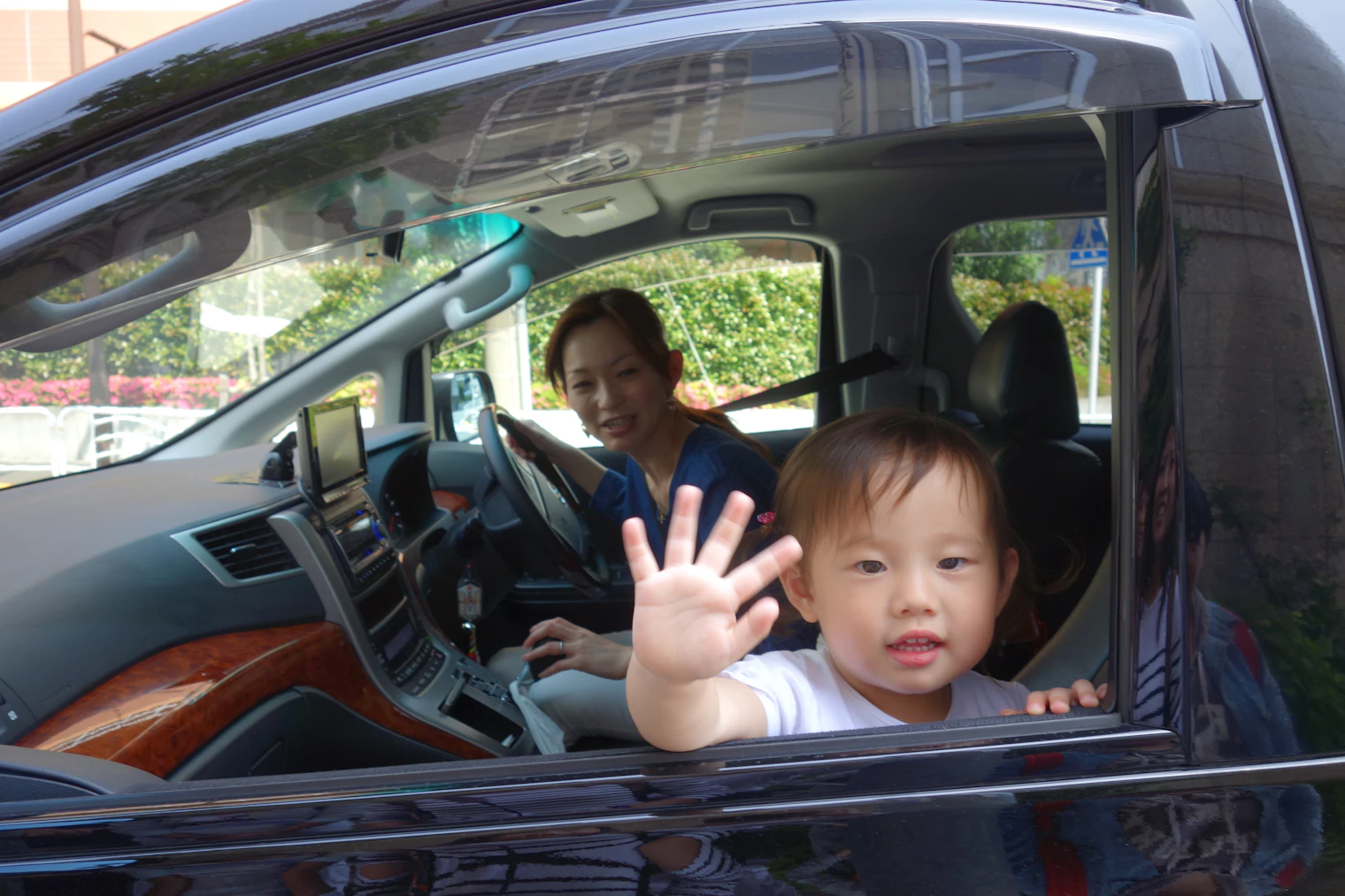
For working parents: A donated car, a TANF transport service and a ride to childcare are three different forms of assistance. Use the option that genuinely fits your circumstances.
DIRECT CHARITY REQUEST
A donated-car request may be possible when your hardship meets the organization's rules, but a request is not a reserved car or a guaranteed award.
Read application stepsCOUNTY WORK SUPPORT
Depending on local rules, approved support can include job or childcare rides, repairs, transit or a referral. A nationwide car grant does not exist.
Understand TANF optionsPERSONAL SAFETY
Survivors should choose a safe communication method and an appropriate advocate before using a public form or sharing case details.
Plan a safer referralInteractive tool 02 · Private, editable and printable
Write a truthful hardship narrative and a separate referral request draft. This does not issue an official agency referral.
Check every statement before sharing the draft. Your caseworker or advocate must issue any genuine referral.
The best next step is knowing whether a provider awards a vehicle, helps with repair costs, arranges a ride or offers a loan. The sections below explain what to ask and how to prepare before disclosing personal information.
For a parent caring for children, transportation problems rarely end at the trip to work. A morning shift might begin before the first bus reaches a job site. A childcare center may close before the only return route arrives. A child with recurring pediatric appointments might need travel across town between school and the workplace.
When a nonprofit or county agency asks why a vehicle is necessary, explain the actual sequence of trips. State your usual departure time, your work hours, when children must be dropped off or picked up, and which transit options have been tried. A reviewer can better understand an exact barrier than a general statement that reliable transportation would improve life.
Proof may include a work schedule, letter of job offer, childcare hours, enrollment in Head Start or a childcare assistance program, and a short explanation of medical appointment travel. Share only what the official receiving program asks for. Families whose main need is getting to a clinic may be offered a ride program rather than a car, so ask about the form of assistance before making plans.
Temporary Assistance for Needy Families is administered under federal guidelines with substantial state and local discretion. County agencies may authorize transportation supports connected to work, training or an approved family-service plan. Depending on the program, the help might be bus passes, a short-term ride, an approved repair expense, transportation to childcare or a referral to another service.
45 CFR § 260.31 addresses federal definitions, including aspects of nonrecurrent short-term benefits. It does not instruct every county to purchase a car for a TANF applicant. Similarly, a 30-hour workweek requirement that appears in a particular workforce-linked charity cannot be applied automatically to every single mother or parent receiving TANF.
Ask your own caseworker whether a transportation benefit exists, what counts as an eligible expense and whether advance authorization is required. If the agency says vehicle-related costs are possible, get the permitted amount and payment method in writing before making a purchase or repair appointment. A benefit notice or work plan can be useful evidence, but it does not replace that agency's approval.
Bring a one-page outline of the problem to the county office or case-management call. Include the hours you are expected at work, the location of approved training, the childcare provider's operating hours and any distance that makes public transit unreliable. If you already receive benefits, use the case number only through the agency's secure channel, never in a general inquiry on this website.
Ask three practical questions: “Does my approved work or training plan permit transportation support?” “Could this cover a necessary car repair or another way to reach childcare?” and “Is a partner referral available for a donated or reduced-cost vehicle?” Caseworkers may know funding streams or garage arrangements that are not described on a public benefits homepage.
Request the name of the agency or provider that makes the final decision. If funding is exhausted or the expense is not allowed, ask about a temporary ride, public transit, or an American Job Center supportive service.
1-800-Charity Cars is one option to investigate when a family faces a serious transportation barrier. The organization's current vehicle request form describes a free application that does not require creating a profile. Older instructions referring to member profiles may still appear elsewhere online, so follow the request form and the charity's newest FAQ before submitting anything.
The charity depends on donated vehicles, applicant need and a usable match. A completed request is not a promise of selection, a delivery appointment or a particular make and model. According to its request form, applicant submissions are deleted after three months; someone who still needs help may submit another request using the current instructions.
Discuss family responsibilities truthfully, including transportation to work, childcare or essential care. Never pay an unrelated intermediary to obtain special priority. Our Charity Cars application walkthrough explains documents, selection limits and costs such as title, tags and insurance.
Some older lists mention Hands of The Carpenter as a single-mother transportation nonprofit. The Colorado organization changed its name to SparkHope Automotive in August 2025. Its official information focuses on vehicle repair, maintenance and automotive services that help working single mothers stay employed. The organization also describes assistance with safe transportation when an existing vehicle cannot be kept on the road.
This is a regional program, not a nationwide vehicle grant. Before applying or asking for an appointment, confirm service area, intake status, eligibility, fees, repair scheduling and whether vehicle placement is currently offered. Its own materials list EIN 81-0620077, which readers can cross-check through IRS records if needed.
If you live outside the organization's operating region, do not send records assuming it can serve your state. Ask your county agency or local nonprofit garage about an equivalent repair partnership. For parents who already own a vehicle, an affordable repair can sometimes preserve work attendance more quickly than a donated-car waiting list. Read our emergency repair options for more ways to investigate support.
Good News Garage works with public agencies and nonprofit partners in Massachusetts and Vermont. Its Donated Wheels vehicle program places refurbished cars with eligible people who come through participating partners. It does not operate a public application where any visitor can request a vehicle directly. Income, benefit and geographic requirements depend on the referral pathway.
The organization's Ready To Go program is different. It provides van rides across Vermont for activities such as work, job training, childcare, school, medical visits and grocery shopping. A Ready To Go ride is useful transportation assistance, but it is not a donated car that the household owns. Good News Garage publishes EIN 04-3566243 as part of Ascentria Community Services.
If your family lives in an eligible service area, ask a Reach Up/TANF caseworker, appropriate service agency or other participating partner about which route might fit. Confirm current partner eligibility and appointments directly. A working parent in another state should start with local 211 or Community Action contacts instead of assuming the New England program has nationwide coverage.
Several old car-assistance lists group faith-based initiatives, vehicle-donation auctions and direct-to-family award charities under one headline. They may look similar in search results but accept different kinds of applications. Always look for an active recipient program, service area, eligibility rules and the exact way a car is transferred.
For example, the name Extending Grace appears in older single-parent vehicle lists. We could not establish a current US donated-car application under that name from official program material. An organization with a similar website name operates in the United Kingdom and describes education and community support, not US automobile awards. Do not send your personal information to a similarly named website without confirming it is the correct US program.
When a listing is unclear, it is safer to contact 211 or a registered local Community Action Agency for a referral. The same caution applies to social-media pages offering “instant approval” and to nonprofits that take car donations but auction all vehicles for fundraising. Our donated-car program comparison separates these different models.
A person leaving an abusive relationship may need a safe way to reach work, court, a child's school, medical care or a confidential residence. Transportation can also affect personal safety. If a partner monitors a phone, email account or browser, filling out a vehicle application or downloading a document may reveal activity that puts a survivor at risk.
Talk with a trusted domestic violence advocate before sharing shelter locations, addresses, children's details or safety-plan information. An advocate may know confidential partner referrals, emergency rides, relocation assistance and transportation options that a public charity website does not advertise. The National Domestic Violence Hotline offers safety-planning resources at thehotline.org or 1-800-799-SAFE (7233). In immediate danger in the United States, call 911 if it is safe to do so.
Do not type shelter addresses, case details, EBT PINs, government ID numbers or confidential safety plans into the public contact form or a letter you intend to share widely. The letter generator on this page creates an applicant draft only. Use a safe device and an advocate-approved channel if someone may be monitoring you.
A family's transportation problem can involve several programs at once. A parent may work early shifts, use subsidized childcare, and need to reach a pediatric specialty clinic on days when a normal bus route takes too long. Each program may be able to address a different part of the trip.
Ask a Head Start or childcare provider whether any transportation service is included with that provider's own program. Ask the county childcare assistance worker whether there are local transit supports, and ask the medical provider or Medicaid plan about covered non-emergency medical transportation where applicable. None of those options automatically includes ownership of a vehicle.
For a charity award, note the time and distance involved in school or childcare drop-off as well as employment. A concise schedule can explain why ordinary transit, a one-time ride or a temporary pass is not enough. For children who require car seats or other equipment, budget for appropriate legal and safe travel arrangements. See benefit-related transportation help for additional distinctions.
A convincing application does not need dramatic language. Describe your actual household situation, the travel barriers you face and the difference a reliable vehicle or approved transport support would make. Use specific facts: childcare opens at 6:30 a.m., a shift begins at 7 a.m., the nearest bus comes every hour, or the clinic requires a cross-county trip. Never invent documents or exaggerate a medical condition to make a request appear more urgent.
The interactive letter tool above can prepare an editable applicant hardship statement and a separate request asking a caseworker to consider a referral. Enter only details you are comfortable saving or sharing. Read and edit the output before copying, downloading, printing or giving it to a provider.
A generated draft is not an official caseworker letter. The relevant school, charity, shelter, agency or workforce counselor must independently decide what it can certify. If an advocate is working with you confidentially, ask what document format and secure submission route is appropriate before creating any public-facing statement.
Charity award reviewers may request a job offer or work schedule, proof of income, household information, residence, childcare travel arrangements, and evidence that a licensed driver can safely use and insure the vehicle. Government programs have their own verification steps. Keep the documents together, but do not submit every record to every website that asks for help.
Even a donated car can involve title transfer, registration, tags, minimum liability insurance, state inspection or emissions requirements, gas and ongoing maintenance. A family also needs to know whether it can afford an unexpected tire or brake repair. A vehicle purchase program may require a recipient payment, so ask for an itemized written explanation before accepting a car.
The correct budget will depend on your state, driving record and the actual vehicle. If the program has a limited warranty, ask what is covered and how long it lasts. Do not send a deposit, gift card or payment to someone who claims to release a “free government car” outside the published charity process.
When there is no immediate car award, ask about transport that can keep your family functioning while you remain on a genuine waiting list. Depending on location, this might be a short-term ride to a job interview, a work-support repair expense, childcare transportation or assistance through a county program. None should be described as the same thing as receiving a car.
If you already own an unreliable vehicle, ask a reputable garage for a written estimate and investigate whether a local program can authorize the repair before work begins. If a financed replacement is unavoidable, compare the total cost of the loan, insurance and maintenance, not just the monthly payment.
Keep a simple call log with the date, department, official number, requested documents and next step. Follow up when a provider asks you to, without repeatedly sending sensitive information to new addresses. A realistic short-term transportation plan protects income and childcare stability while you search for longer-term help.
SUPPORT, COSTS AND APPLICATION ROUTES
Program rules, local service areas, budgets and waitlists change. Ask the receiving provider to confirm current intake before applying.
| 1-800-Charity Cars · EIN 59-3362703 | Donated vehicle if selected | Need, screening and available local inventory | Application free; ownership costs may remain | Official form Official information ↗ |
| County TANF / Work-First | Work or childcare transport when permitted | State/county family case and approved plan | Program-specific, no automatic car | County office Official information ↗ |
| SparkHope Automotive · EIN 81-0620077 | Repair, maintenance and possible placement | Working single moms; Colorado service area | Program-specific; confirm current terms | Official site Official information ↗ |
| Good News Garage Donated Wheels · EIN 04-3566243 | Refurbished vehicle through a partner | Massachusetts/Vermont referrals | Confirm recipient conditions | Partner route Official information ↗ |
| Good News Garage Ready To Go | Van rides, not car ownership | Vermont service and partner eligibility | Ride terms depend on program | Vermont rides Official information ↗ |
| Domestic violence advocacy partner | Confidential transport plan or referral | Survivor safety and local service rules | Services vary | Safe support Official information ↗ |
| Community Action Agency | Family work support or transport referral | County, income and funding rules | Varies by service | Find local CAA Official information ↗ |
| American Job Center / WIOA | Employment/training supportive transport | Workforce program approval | May need advance authorization | Local center Official information ↗ |
| Local nonprofit repair partner | Necessary repairs instead of new vehicle | Work, household or program criteria | Parts or contribution may apply | Compare help Official information ↗ |
Program inventory, fees and processing times may change. Verify current intake directly. Click column headers to sort.
This historical policy log preserves program context. Former incentives must not be presented as currently available grants.
| Period | Program development |
|---|---|
| 2017–2019 baseline | IRS Publication 4303 and Form 1098-C donor documentation; 501(c)(3) direct-award vehicle charities; TANF Work-First transportation policies. |
| 2020–2022 transition | Pandemic-related used-car shortages; emergency transport, work-retention repairs, TANF and Community Services Block Grant support. |
| 2023–2025 expansion | State clean-air replacement programs and CDFI vehicle loans developed in some regions. Federal clean-vehicle tax credits ended for vehicles acquired after September 30, 2025. |
| 2026 review cycle | Recheck 1-800-Charity Cars, Good News Garage, Working Wheels, VA automobile allowance rates and county TANF repair assistance directly with providers. |
No. TANF is administered by states and counties, and transportation support varies with the family's program and funding. A free vehicle is not a universal TANF benefit.
The charity's official vehicle request form describes a free request process without creating a profile. Approval still depends on screening, donated inventory and the organization's current rules.
No. The Colorado nonprofit offers automotive support to working single mothers, but service area, vehicle placement and eligibility must be checked directly. It was previously called Hands of The Carpenter.
No. Ready To Go provides rides across Vermont for essential trips such as work and childcare. Good News Garage's separate Donated Wheels program places vehicles through participating partners.
A 30-hour rule can apply to a particular workforce or charity program but is not universal. Ask the actual agency about work, job-offer, training, disability and caregiver exceptions.
Talk with a trusted advocate about a safe contact method and available transportation partners. Avoid publicly posting shelter information, government identifiers or sensitive safety-plan details.
Explain the actual commute, shift start, childcare hours, travel distance and failed transit alternatives. The tool here creates an applicant draft; only a real caseworker or advocate may issue an official referral.
Not necessarily. Title, registration, insurance, inspections, fuel and future repairs may still be the recipient's responsibility. Confirm the written transfer terms and affordability before accepting a vehicle.
Compare our main free car options, then use the actual program's official requirements before applying.