
01OFFICIAL VA CLAIM
Automobile allowance
VA Form 21-4502 starts a vehicle-purchase benefit for specified service-connected conditions. Approval must come before buying.
Review VA application stepsCertain veterans with qualifying service-connected disabilities can apply for VA automobile assistance toward an adapted vehicle, with payment made directly to the seller after approval. Adaptive-equipment support has separate requirements. Other disabled adults may seek vocational rehabilitation or nonprofit mobility grants, not automatic free vehicles.
Searching for free cars for veterans can lead to four different routes: the VA automobile allowance, approved modifications to a vehicle you own, a private nonprofit grant, or a charity vehicle award. The free car assistance overview explains general options, while our Charity Cars application guide covers hardship requests and the vehicle grants and financing page separates assistance from repayable loans.
Start by identifying which category applies. VA automobile payments require specific service-connected medical eligibility; accessibility equipment may follow other rules. A civilian disability, SSI award or Medicaid card by itself does not establish entitlement to the VA benefit.
VA financial-readiness material reports a $27,908.90 automobile allowance for fiscal year 2027, a 3.08% increase. Another VA rate page still displays the prior $27,074.99 effective October 2025 figure. Check the date on VA's official current rate table before signing a vehicle contract.
Get VA authorization before any purchase or adaptive equipment order. A benefit is not an unrestricted cash payment and does not promise to cover every vehicle expense.
VA Form 21-4502 starts a vehicle-purchase benefit for specified service-connected conditions. Approval must come before buying.
Review VA application stepsVA Form 10-1394 and Prosthetic & Sensory Aids services address prescribed lifts, hand controls and related modifications.
See equipment requirementsState vocational rehabilitation, NOVA, the Fund and registered charities serve different people and have separate funding tests.
Compare other optionsChoose what you need to understand. This suggests official starting points, not a disability decision or preapproval.
An approved allowance, charity award, vehicle modification and repayable loan are not interchangeable. Each option has different application rules and costs. The receiving organization makes any official decision.
VA automobile allowance is a federal benefit for a relatively narrow group of service members and veterans whose qualifying disabilities are service connected. Its purpose is to contribute toward a specially equipped vehicle or other qualifying conveyance, not to send a check to every veteran who needs transportation. Under 38 U.S.C. § 3902 and 38 CFR § 3.808, eligibility depends on the nature of a qualifying condition and the VA's decision.
For the benefit period beginning October 1, 2026, a VA financial-readiness resource identifies a maximum allowance of $27,908.90. The main VA special-benefit rate page still displays the preceding period's $27,074.99 allowance effective October 1, 2025. Because pages may be updated at different times, verify the period shown in the VA rate table before taking a figure to the dealer.
The approved seller submits the required claim and invoice, and VA pays the seller directly toward the eligible price. You may owe any remaining purchase price, taxes, insurance, registration or other costs. For a donated vehicle rather than a VA-funded purchase, look at our comparison of charity awards and vehicle programs.
VA lists specific conditions that may qualify an applicant for an automobile allowance, including the loss or permanent loss of use of one or both feet or hands, certain permanent loss of vision in both eyes, severe burn injuries and amyotrophic lateral sclerosis (ALS). The detailed medical thresholds and evidence rules matter. Some ankylosis of the knees or hips can qualify for adaptive-equipment assistance only, not necessarily the automobile purchase allowance.
This distinction is important for veterans who have a disability rating but have not been awarded one of the qualifying determinations. A 100% disability rating, inability to afford a car, mobility limitations from a non-service-connected condition, or veteran status alone does not automatically qualify someone. Eligibility can also involve conditions treated as service connected under applicable VA law.
Ask a VA-accredited representative, VA regional office or the appropriate VA claims staff how to document the relevant disability and whether the automobile or adaptive-equipment route is applicable. You do not need to send medical records, a VA claim number or a Social Security number to this independent website. Make sensitive submissions only through the official VA process.
VA Form 21-4502, titled Application for Automobile or Other Conveyance and Adaptive Equipment, is the central application for the automobile allowance. The VA form page provides the current form and an online application option. The sequence matters: establish eligibility, submit the claim, wait for authorization, then choose a suitable vehicle and seller.
Before choosing a car, ask whether your approved disability requires particular equipment, driver rehabilitation evaluation or another accommodation. VA instructs buyers not to purchase the car first and expect reimbursement afterward. The seller must be willing to submit the appropriate claim form and itemized invoice. A dealership may need time to handle the VA paperwork, so discuss that requirement before placing an order or deposit.
Keep copies of approval letters, seller communications and written price information through the authorized VA channels. An approved automobile allowance covers only the amount permitted under current law. If the purchase price exceeds the VA payment, understand the remaining balance and insurance obligation before taking delivery.
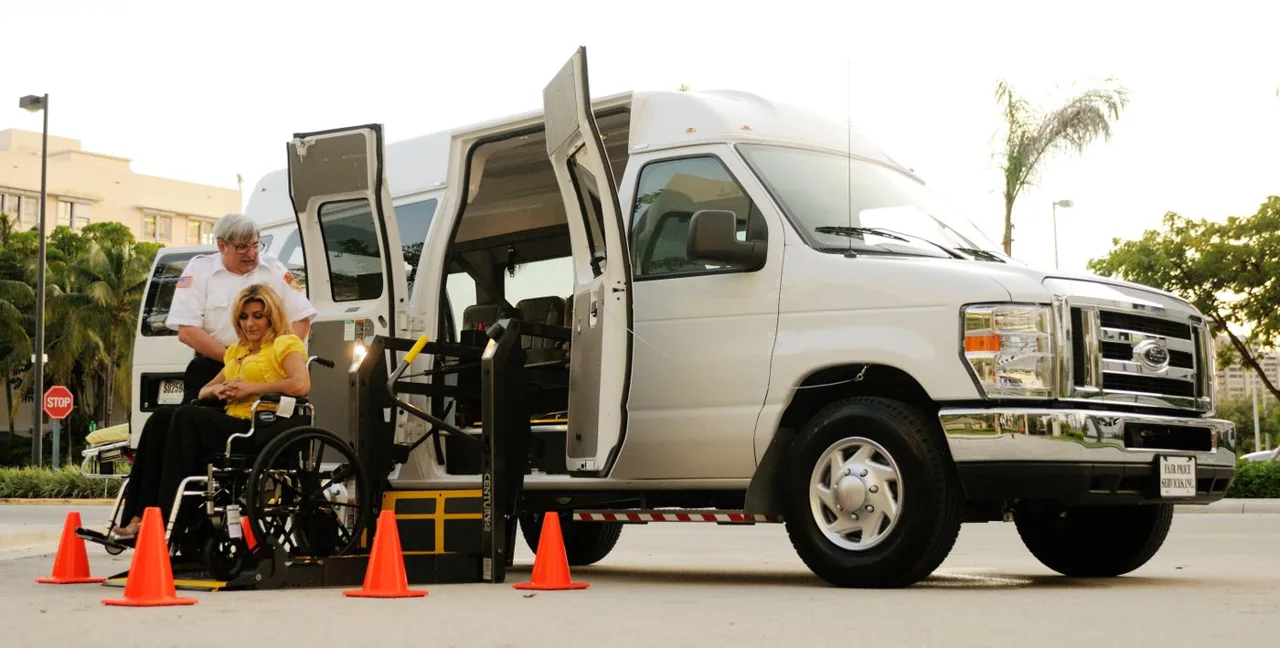
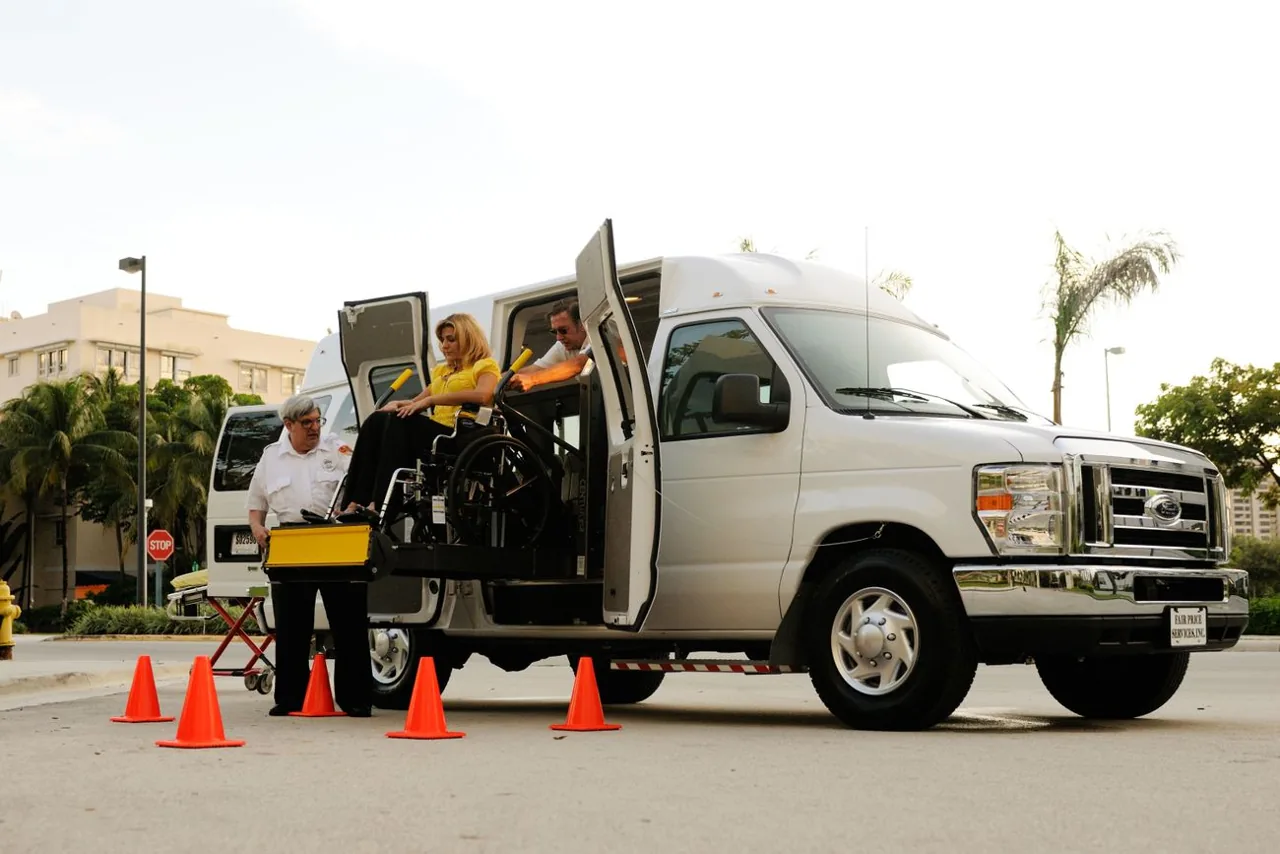
A VA automobile purchase allowance is separate from adaptive equipment that makes a vehicle safe to drive or enter and exit. VA may authorize items such as hand controls, wheelchair or scooter lifts, power-assisted steering or brakes, power seats and other prescribed equipment. An approved modification must fit the individual's disability and the vehicle's design. Some equipment requires professional evaluation and installation.
VA Form 10-1394 is used for the adaptive-equipment process with VA Prosthetic & Sensory Aids services. A VA clinician or qualified driver-rehabilitation specialist may need to prescribe the equipment. The official VA policy describes assistance involving two vehicles in a four-year period, with limits on replacement, disposition and reimbursement; it is not permission to purchase or modify two cars without authorization.
Before requesting estimates, contact the VA medical center's prosthetic representative and confirm the precise prescription, provider rules, maximum payment schedule and prior-approval conditions. Do not assume any home modification or personal mobility scooter qualifies as automobile adaptive equipment. Read the VA's adaptive equipment policy for current claims and provider requirements.
A complete wheelchair-accessible vehicle can cost substantially more than the chassis alone, while modifying a suitable existing vehicle may involve a different set of expenses. Discuss the equipment requirements with an accredited mobility dealer and a qualified evaluator before purchasing a van. Not every minivan can be converted safely, and an inappropriate model can leave the household paying for a vehicle that cannot accept the needed equipment.
Ask for an itemized proposal showing the vehicle price, conversion or lift cost, installation, warranty, inspection, and any future maintenance. A provider's quote should explain which portion may be covered by VA, private assistance or an insurer and which costs remain your responsibility. Equipment that works for a passenger's boarding needs may differ from equipment for a person who drives with hand controls.
A private vehicle award may be less useful than dependable transit when there is no safe driver, accessible parking or affordable ongoing insurance.
Veterans who do not meet VA automobile-allowance requirements can still research nonprofit assistance. Cars 4 Heroes offers a military-focused application pathway and accepts self-nominations from veterans, active-duty service members and eligible family members. Its website says it cannot respond to every applicant; an interview or award depends on need and available donated vehicles. There is also a separate civilian route, which should not be confused with military intake.
1-800-Charity Cars considers transportation hardship, including some military-related needs, under its own selection process. Its current request form describes a free application. Neither private charity is a VA program, and approval from one does not imply eligibility for the other. Check service area, driver readiness, safe insurance and title-transfer requirements before spending time on multiple requests.
Apply only through the official provider site. Some legitimate forms for veterans may request private identity or service information under controlled conditions, but that does not mean you should send those details to a social-media intermediary or to ApplyFreeCar.com. Begin with the Charity Cars process or ask the relevant veteran nonprofit for its official intake link.
Semper Fi & America's Fund supports specified wounded, ill and injured service members, veterans and their families. Its transportation-assistance program describes adaptive vehicles, necessary vehicle modifications, vehicle repairs and fuel-related support connected to medical care and everyday mobility. Assistance is individualized rather than a standard car for every veteran.
Applicants may work with a case manager who can consider transportation needs within the organization's broader assistance structure. The relevant service history, medical circumstances, household needs and program availability must be discussed directly with the Fund. Its transportation program page describes the scope of its help without promising a fixed award to every applicant.
Ask the Fund which transportation costs it may consider and whether existing VA benefits should be checked first.
The National Organization for Vehicle Accessibility operates the Ralph Braun Grant Program for qualifying mobility transportation products. Its published rules describe assistance of up to 25% of eligible equipment cost, capped at $5,000, for applicants who have already secured most of the funds needed. Examples include approved van conversions, wheelchair lifts and driving aids. The grant generally does not pay for the vehicle chassis itself.
NOVA requests an assessment and quote through a certified mobility dealer, and its funding rules require applicants to address other financial sources. Grants are subject to selected award cycles and program resources. The organization's general schedule describes quarterly cycles, but an application page may show a closed period; confirm whether current online intake is available rather than assuming that a past calendar means applications are open.
Because the program is equipment-specific, do not count its maximum as a cash grant for any car purchase. Read the grant program requirements and ensure your equipment is eligible before relying on funding. Do not finance a vehicle conversion until you understand approval and the portion you would still need to pay.
A state vocational rehabilitation agency may be able to evaluate transportation barriers that prevent participation in an approved employment or training goal. Depending on the state, individual plan, disability, need and funding, services can sometimes include adaptations, accessible transportation, training-related travel or another approved mobility support. There is no uniform nationwide state VR program giving a free car to every person with a disability.
Start with the state agency's public intake and ask what transportation services are allowed under your individualized plan for employment. A caseworker may need to approve a vendor or modification before any expense is incurred. Ask whether equipment should be coordinated with existing VA, Medicaid waiver or other funding to avoid double payment for the same expense.
Centers for Independent Living can also offer disability-related advocacy, skills, accessibility advice and referral connections. These centers do not automatically provide vehicles, but they may know appropriate accessible transport providers or financing resources in a community. A person receiving SSI or Medicaid can explore separate services, though those benefits alone do not establish a VA automobile allowance.
Civilian applicants may look for help through county disability services, state vocational rehabilitation, community action programs, local accessible ride systems or a nonprofit equipment grant. The relevant service depends on individual mobility needs. Accessible rides can help while a vehicle adaptation is evaluated.
Ask whether a transportation service provides door-to-door assistance, wheelchair securement, advance booking and service in your ZIP code. For medical visits, a Medicaid plan may offer non-emergency medical transportation when criteria are met; this is not ownership of a car. Someone enrolled in SSI might be able to discuss a work-related Plan to Achieve Self-Support (PASS) with Social Security when applicable, but this is also not a general vehicle grant.
Our benefit-related transportation guide distinguishes SNAP, Medicaid and SSI pathways. If you already own a vehicle that could be repaired or adapted, examine repair assistance before committing to a new monthly loan or insurance payment.
Impersonators sometimes copy a veterans' charity name or suggest that a vehicle allowance can be “released” after a special application payment. The authentic VA automobile allowance uses official forms and an eligibility decision; the department pays the authorized seller, not a private broker promising cash. If a caller offers guaranteed approval without reviewing a qualifying disability, the claim should be questioned.
Check the VA.gov domain for form downloads and published contact information. When contacting nonprofits, use the address and phone number provided on their official website rather than a number supplied by an unexpected messenger. Do not send your SSN, VA file number, bank details, full driver's license number or protected medical files to an unknown website.
For direct charity car awards, ask who owns the title, who pays legal registration costs, whether inspections are documented, and whether a caseworker referral is needed. No independent research article or online calculator can promise selection, a safe accessible modification or a certain processing time. A realistic written approval is more valuable than a dramatic “free vehicle waiting for you” message.
The correct application file depends on the route. For VA, the agency may require proof of service-connected eligibility, VA Form 21-4502 or 10-1394, equipment prescriptions, the seller's itemized invoice and the prescribed equipment provider. For a nonprofit, you may be asked to describe need, household affordability, service area, existing funding sources and an accessible equipment quote.
Make a checklist with the program name, official contact, dated instructions, next appointment, documentation due date and expected costs. Keep copies of correspondence through secure agency channels. If you want to compare a charity car award with a state purchase incentive, read the grants and low-income financing explainer before committing to a dealer.
Do not upload medical diagnoses, shelter addresses, government identifiers or payment information into a general website form. When someone tells you to buy an accessible car before an agency approval, pause and verify the requirement. The best transportation plan considers legal eligibility, real availability, equipment suitability and what the household can afford to maintain.
Funding and intake can change. Confirm current conditions with the administering organization before agreeing to any purchase.
| VA Automobile Allowance | Specially equipped vehicle purchase contribution | Specified service-connected disability and VA approval | Up to $27,908.90 cited for Oct 2026; other costs remain | VA Form 21-4502 Official information ↗ |
| VA Adaptive Equipment | Approved lifts, controls and mobility modifications | Prescribed VA equipment and specific qualifying condition | VA scheduled payment; prior approval necessary | VA program Official information ↗ |
| Cars 4 Heroes | Potential donated car through military selection | Veteran, active duty or qualifying family; selection dependent | No fixed car cost stated; ownership costs possible | Military application Official information ↗ |
| 1-800-Charity Cars · EIN 59-3362703 | Direct vehicle award where donated inventory exists | Documented hardship; current charity rules | Application free; legal ownership costs possible | Official request Official information ↗ |
| Semper Fi & America's Fund | Adaptive vehicles, modifications, repair or fuel assistance | Qualifying service member, veteran or family case management | Individualized; no standard award | Fund support Official information ↗ |
| NOVA / Ralph Braun | Vehicle mobility equipment or conversion grants | Dealer quote, majority funding secured and program rules | Up to 25% of equipment, capped at $5,000 | Grant rules Official information ↗ |
| State Vocational Rehabilitation | Job-related vehicle adaptation or transport | State agency's approved employment plan | State-specific and authorization-dependent | Agency finder Official information ↗ |
| Centers for Independent Living | Mobility referral, disability services and advocacy | Local service needs and center availability | Services vary; generally not direct car grants | Centers Official information ↗ |
Program inventory, fees and processing times may change. Verify current intake directly. Click column headers to sort.
This historical policy log preserves program context. Former incentives must not be presented as currently available grants.
| Period | Program development |
|---|---|
| 2017–2019 baseline | IRS Publication 4303 and Form 1098-C donor documentation; 501(c)(3) direct-award vehicle charities; TANF Work-First transportation policies. |
| 2020–2022 transition | Pandemic-related used-car shortages; emergency transport, work-retention repairs, TANF and Community Services Block Grant support. |
| 2023–2025 expansion | State clean-air replacement programs and CDFI vehicle loans developed in some regions. Federal clean-vehicle tax credits ended for vehicles acquired after September 30, 2025. |
| 2026 review cycle | Recheck 1-800-Charity Cars, Good News Garage, Working Wheels, VA automobile allowance rates and county TANF repair assistance directly with providers. |
VA financial-readiness material reports up to $27,908.90 for fiscal year 2027. VA's main rate page may still show the previous benefit period, so confirm the current effective date and maximum directly with VA before buying.
No. The federal automobile allowance applies to specified service-connected conditions and an approved claim. Veterans with other needs can investigate nonprofit or state rehabilitation options without assuming approval.
VA Form 21-4502 is the automobile or other conveyance application. Use VA.gov's current form or online process and obtain an eligibility decision before purchasing.
VA instructs applicants to obtain approval before purchasing the vehicle or adaptive equipment. The approved seller submits a claim and itemized invoice, and VA pays the seller directly.
Form 10-1394 supports the separate adaptive-equipment process for eligible veterans or service members. Prescriptions and equipment provider rules determine which modifications can be funded.
VA policy includes a two-vehicle limit within a four-year period with specific restrictions on equipment replacement and disposition. It is not permission to modify two vehicles without prior approval.
State vocational rehabilitation and NOVA's Ralph Braun Grant Program may be relevant depending on the person's circumstances. NOVA's published maximum is 25% of eligible equipment costs, capped at $5,000.
No. They are nonprofit assistance pathways with separate selection or case-management rules. Neither is the VA automobile allowance, and a public application does not guarantee a vehicle award.
NEED ANOTHER ROUTE?