Independent information. No government or charity affiliation. No guaranteed awards.
CIVIC MOBILITY VEHICLE ASSISTANCE · 2026

Free Cars for Low-Income Families: Find Help That Fits in 2026

Direct answer: People who need a reliable car can explore direct-award charities, county transportation support, and limited disability benefits. Approval depends on household circumstances, local program rules, and donated-vehicle availability. Apply only through official providers, verify costs, and protect your personal information before sharing any sensitive documents.

A car can mean getting your child to school on time, keeping a shift, or reaching a medical appointment. If you need a free car, start with nonprofit vehicle assistance and check the costs of ownership before applying. Availability depends on donations and local program rules.

✓ No application fees✓ No SSNs or EBT PINs✓ Private browser tools

Original Policy Research Archive: March 18, 2017 (TANF / 501(c)(3) Fleet Audit Cycle) | Last Comprehensive Audit & Verification: October 2026 | Written by David Thorne, MSW & Fact-Checked by Elena Rostova, MPA

⌁Official-source referencesIRS, HHS, VA and local programs
✓Donations ≠ guaranteesDirect-award charities versus auctions
♧Designed for privacyMatcher runs locally in your browser
START HERE · FOUR SIMPLE QUESTIONS

Find vehicle assistance for your situation in 2026

Tell us a little about the transportation you need. We'll narrow the list to relevant programs worth investigating, with related practical guides and the next sensible steps.

✓ No account needed✓ No identity documents✓ Nothing is submitted
What this tool can and cannot do

Matching is guidance, not charity eligibility approval. Providers decide who qualifies, and current inventory or wait times cannot be guaranteed.

✦
Find possible programsPrivate, instant results
4 FIELDS

Your selections stay in this browser. This resource does not store or sell them.

CHOOSE THE PATH THAT FITS

Three practical ways to find vehicle assistance

Getting back on the road can take different forms. Start with the type of help you can realistically request.

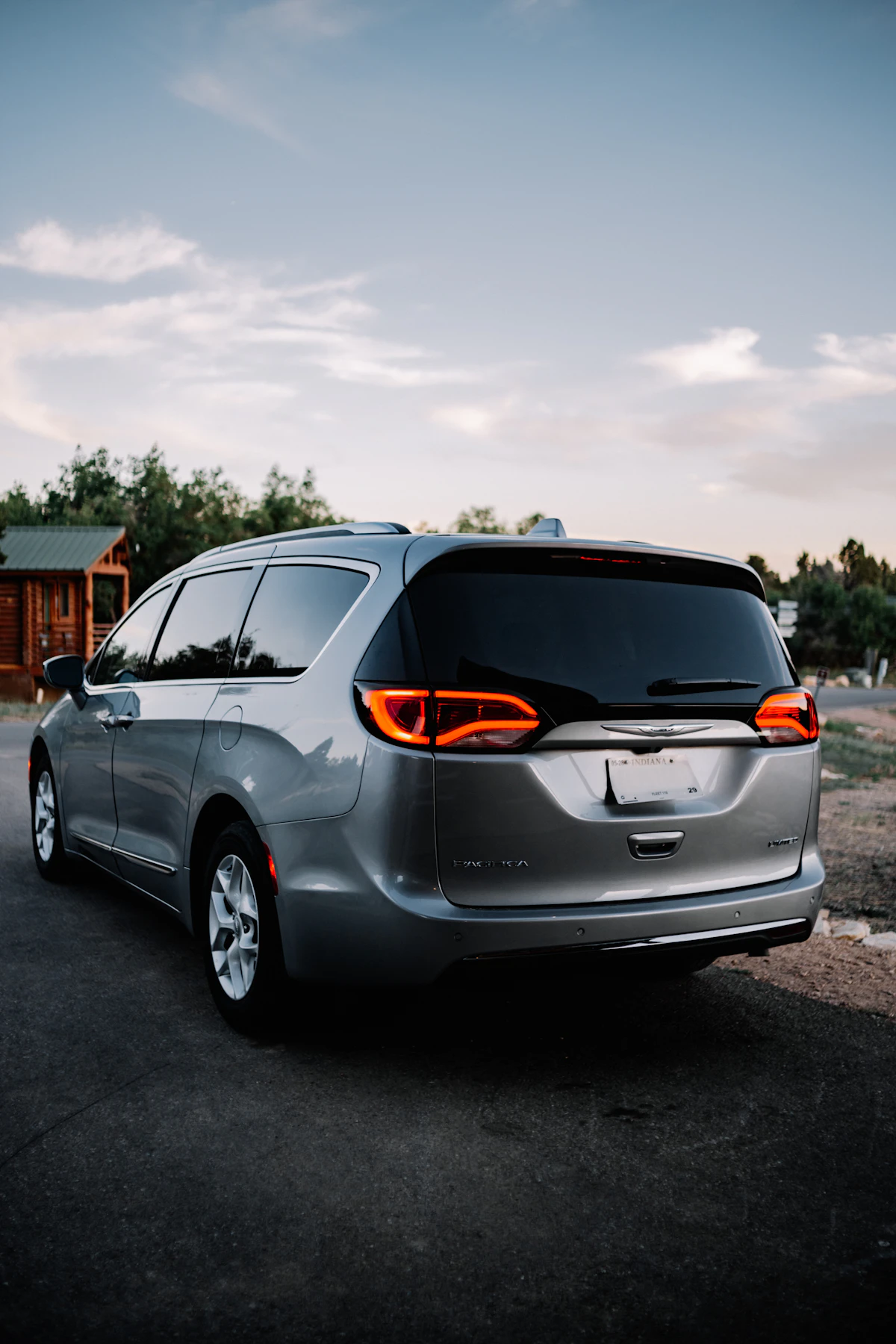
Silver family minivan parked outdoors01NONPROFIT VEHICLE AWARDS

Refurbished Family Sedans & Minivans

Explore direct-to-family programs such as 1-800-Charity Cars, Vehicles for Change and Good News Garage. Not every car-donation program places vehicles with families.

Compare vehicle charities
Blue wheelchair accessibility sign at a parking area02VA & ACCESSIBILITY

Wheelchair-Accessible & Veteran Adaptive Vehicles

VA Form 21-4502 and 38 U.S.C. § 3902 may help eligible veterans with specified service-connected disabilities. Verify the current automobile allowance directly with VA.

Review VA eligibility
Electric vehicle charging connector beside a parked car03STATE & WORKFORCE SUPPORT

Clean-Air EV / Hybrid Vouchers & Repair Help

Some state programs offer vehicle vouchers, while county services may support essential repairs. The old federal EV purchase tax credit is unavailable for post-September 2025 acquisitions.

Explore grants and loans
A BETTER WAY TO GET STARTED

Your four-step application journey

There is no single nationwide application. These four checkpoints help you prepare for what legitimate programs commonly ask.

STEP 01

Check your situation

Review household income, 200% FPG, SNAP/TANF documentation and your transport needs.

STEP 02

Apply or ask for a referral

Use the official charity profile or ask a caseworker, shelter advocate or 211 specialist for guidance.

STEP 03

Wait for a local vehicle match

Programs assess availability, inspections, service regions and whether a vehicle is suitable.

STEP 04

Prepare for handover

Confirm title, registration tags, mechanical records and required insurance before driving.

YOUR SAFETY BEFORE THE KEYS

A vehicle should be safe, affordable and ready for the road.

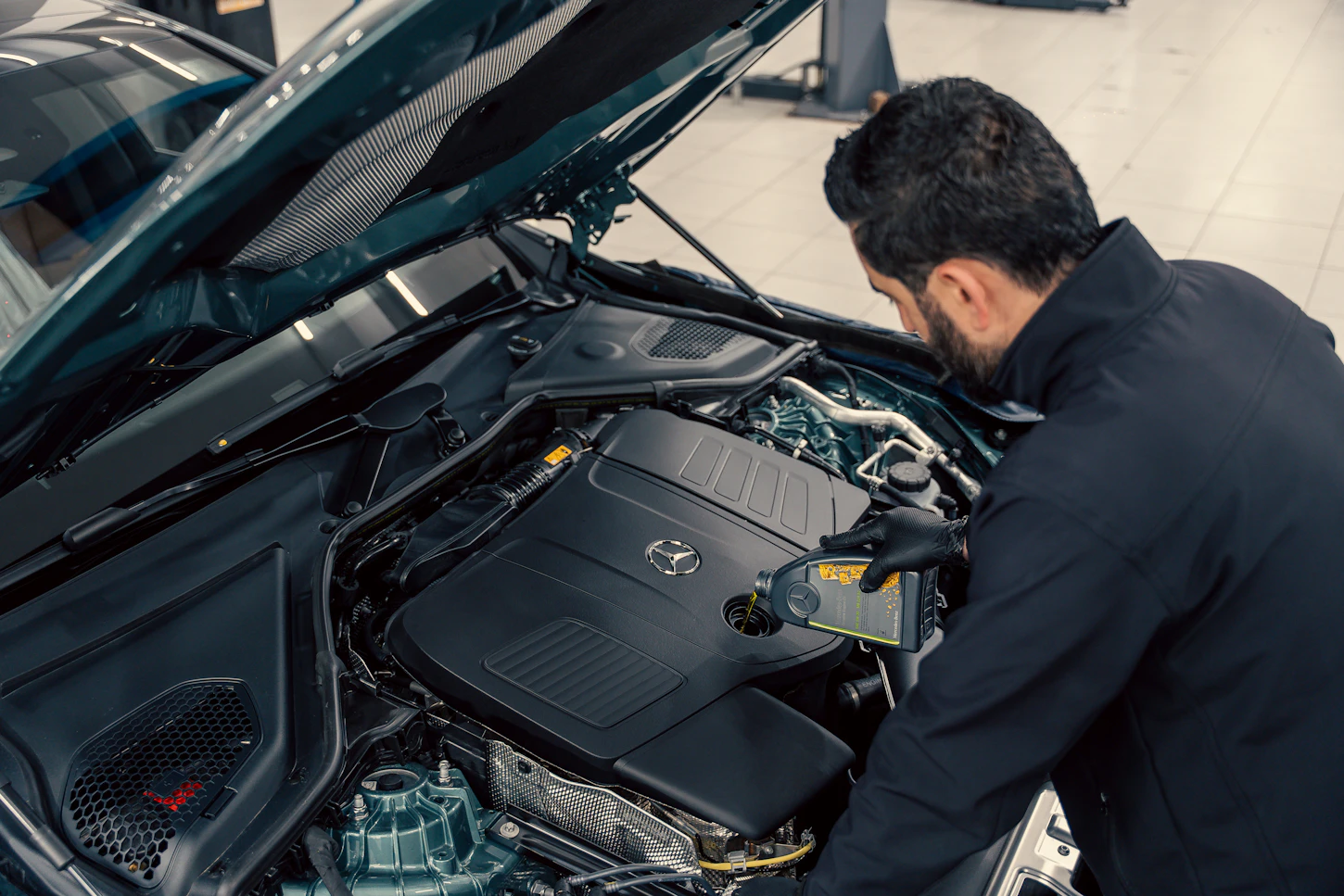
Before accepting a donated car, ask who inspected it and whether the mechanic has appropriate qualifications. An ASE-certified technician can offer added confidence, but certification is not assumed for every charity garage.

Keep this handover checklist on your phone

  • ✓ Written mechanical condition and safety report
  • ✓ Clear title and state transfer documents
  • ✓ Registration, plate and inspection requirements
  • ✓ Insurance coverage active before driving
  • ✓ Any recipient charges explained in writing
  • ✓ No gift cards or surprise delivery-fee requests
Read the repair assistance guide
Technician inspecting the open engine of a car in a workshop
Engine & safety check
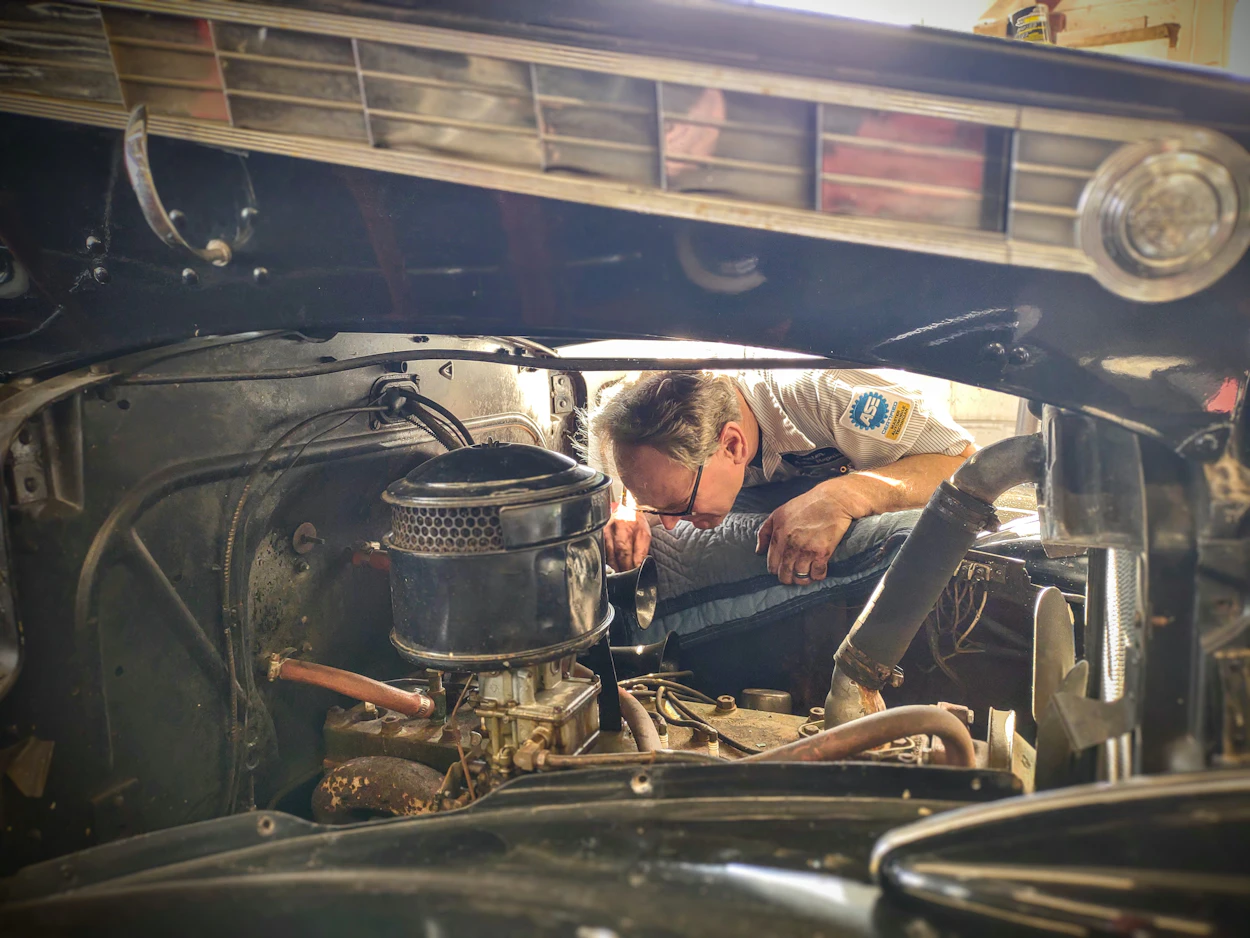
Person checking a vehicle engine in a garage
Ready for the road
✓ Ask for inspection records, not marketing promises
UNDERSTAND YOUR OPTIONS

Six routes to a donated or more affordable vehicle

Charities may award free cars when donations are available; other programs help with transportation costs. Compare TANF supportive services, VA disability benefits and local grants and referrals to understand which route fits your needs.

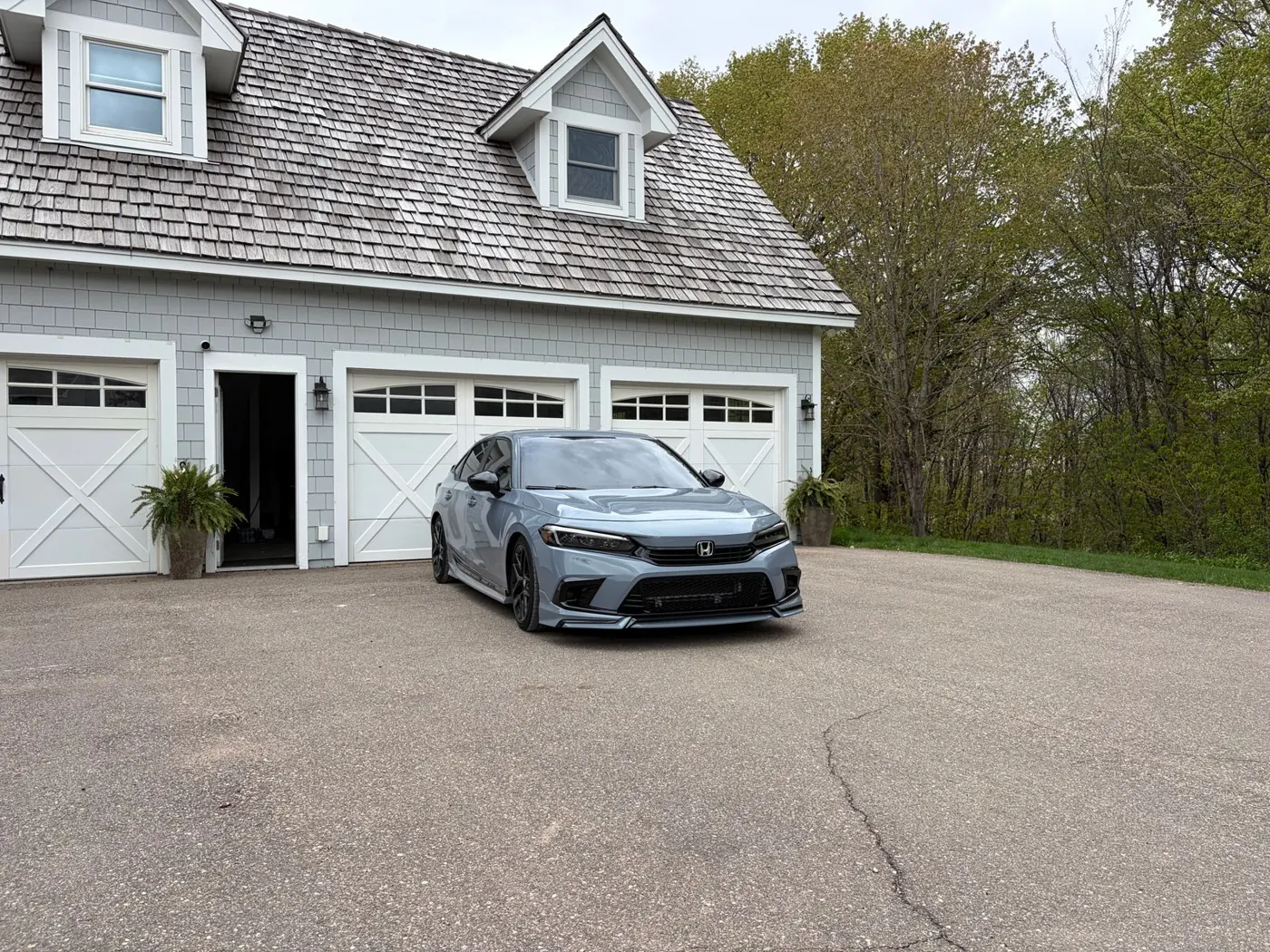
Silver car parked outside a residential garage
Compare the help available—and the cost of keeping a car.
Start with the trip, not the promise: ask what help covers your commute, care appointments or school run—and what it will cost to keep using it.
01

Start with organizations that actually award vehicles.

When a car-donation website asks the public to give away vehicles, that does not necessarily mean it gives them to families. Many charities sell donated cars at auction to support their broader mission. That can be legitimate fundraising, but it is not a direct vehicle award.

1-800-Charity Cars, Vehicles for Change, Good News Garage and Working Wheels are useful places to research direct car placements or related mobility services. Each has different service areas, applicant screening and vehicle supply. Some prefer referrals from caseworkers rather than unsolicited requests. A good hardship application does not guarantee a suitable sedan or minivan will be available in your area.

Check the organization’s legal name and EIN through the IRS Tax Exempt Organization Search. Then review the provider's own recipient program to see whether new applications are open. Our Charity Cars walkthrough explains how to prepare your records without paying a middleman.

02

Ask about TANF and workforce transportation help.

If your car breaks down right as you start a job, the best support may be a necessary repair or a few weeks of transportation, not a replacement vehicle. State and county TANF offices can sometimes support work-related travel under local policies and budgets. 45 CFR § 260.31 defines certain TANF assistance concepts; it does not create a nationwide promise of a car.

Tell your caseworker the shifts you work, distance to childcare, the cost of public transit and what changed when transport became unreliable. Ask whether a garage must be pre-approved, whether estimates are required and if funds are paid directly to the vendor. Keep authorization in writing before agreeing to an expensive repair.

Understand family and TANF support →
03

VA automobile support is limited to specific service-connected disabilities.

Under 38 U.S.C. § 3902 and 38 CFR § 3.808, eligible veterans with specified service-connected disabilities may receive help toward a specially equipped vehicle. The benefit does not automatically apply to every veteran or disability rating. VA Form 21-4502 and prior authorization matter. When approved, VA generally pays the qualifying vehicle seller directly.

For the October 2026 benefit cycle, the published VA automobile allowance ceiling is up to $27,908.90 (adjusted from the prior $27,074.99 rate). Always verify the current rate on VA.gov before purchasing equipment.

Review VA rules and official sources →
04

State vocational rehabilitation can address job-related mobility barriers.

State vocational rehabilitation agencies support eligible people whose disabilities make employment difficult. Services may include accessible transportation, adaptive equipment or vehicle modifications when they are necessary within an approved employment plan. That is different from a general public car giveaway.

Ask your counselor what the agency can authorize, which vendors it accepts, whether documentation from an employer is needed, and whether any work may begin before approval. A Center for Independent Living may help you identify other regional services.

Explore disability transportation support →
05

State clean-air vouchers may reduce a qualifying purchase cost.

Programs such as California's Clean Cars 4 All have historically offered vehicle replacement incentives in eligible communities. Income, ZIP-code, vehicle age, trade-in rules and funding windows are highly specific. A headline that says “up to $7,500” is a potential maximum for certain programs, not money automatically owed to every household.

Federal EV tax credits are separate from state vouchers. IRS guidance says federal new, used and commercial clean-vehicle credits are unavailable for acquisitions after September 30, 2025. Confirm a state program's current funding, get any required approval and understand the full purchase price before signing a dealer contract.

Compare purchase assistance and loans →
06

Compare CDFI or credit-union financing with real care.

Community Development Financial Institutions and credit unions sometimes serve borrowers who struggle to obtain traditional financing. They can be useful if a direct-award charity has no vehicle available. But a loan remains debt, not a grant.

Ask for the annual percentage rate, total finance charge, loan term, down payment and a realistic insurance quote. A monthly payment that seems manageable can still add up to far more than the car's value. If an affordable repair can safely keep your current vehicle running, check that possibility first.

Check repair assistance first →
✓ One rule that protects every applicant

No legitimate program should require you to pay a mysterious “flatbed delivery fee” by gift card, wire transfer, cryptocurrency or peer-to-peer payment app. Stop and verify the offer using an independent official contact number.


Ready to see which route fits?

Start with your situation, not a promise of a free vehicle. Prepare a clear inquiry for the right provider.

Prepare your application →
COMPARE BEFORE YOU APPLY

Compare programs, costs and next steps

Use this sortable table as a starting point. Verify current 501(c)(3) EIN records directly with the IRS and confirm local waitlist availability directly with each provider.

Programs, support provided, eligibility, cost and related guide
1-800-Charity Cars · EIN 59-3362703Donated vehicleNeed-based screening; criteria varyMay be $0, delivery costs varyProcessing varies; see requirements
Requirements and next steps →
Vehicles for Change · EIN 54-1933692Refurbished vehicleRegional employment + referral rulesParticipant contribution may applyProcessing varies; see requirements
Requirements and next steps →
Good News Garage · EIN 04-3566243Vehicle / transport supportNew England program criteriaProgram-specificProcessing varies; see requirements
Requirements and next steps →
Working Wheels · EIN 81-4965358Vehicle / repair assistanceRegional working-household needsProgram-specific co-payProcessing varies; see requirements
Requirements and next steps →
County TANF / Workforce ProgramsTransport or repair supportState eligibility / work planVaries; not guaranteedProcessing varies; see requirements
Requirements and next steps →
VA automobile allowanceSpecially equipped vehicle fundingQualifying service-connected disabilityVA pays eligible sellerProcessing varies; see requirements
Requirements and next steps →
State clean-air assistancePurchase / replacement voucherLocation, income and vehicle criteriaDealer and applicant rulesProcessing varies; see requirements
Requirements and next steps →

Program inventory, fees and processing times may change. Verify current intake directly. Click column headers to sort.

Unpublished wait times appear as “check intake,” not invented estimates. $7,500 and $500–$1,500 are program examples, not nationwide guaranteed benefits.

RESEARCH CONTINUITY

Historical Program Evolution (2017–2026)

Four periods show how the rules and practical transportation needs have changed.

PeriodResearch focusWhat applicants should know
2017–2019Foundational charity researchIRS donated-vehicle documentation, nonprofit fleet models and county TANF work-support rules.
2020–2022Transportation disruptionUsed-vehicle shortages and attention to emergency repairs, transit support and household work needs.
2023–2025Changing purchase incentivesState clean-air vouchers evolved; federal clean-vehicle tax credits ended for acquisitions after September 30, 2025.
2026Current rule verificationCheck charity intake, HHS income guidelines, local voucher funds and the published VA rate before spending money.
CLEAR ANSWERS, NO FALSE PROMISES

Questions families ask before applying

Every organization has its own rules. These answers help you decide whom to contact first.

Report an outdated listing →

Frequently asked questions

Is there a government program that gives anyone a free car?

The promise of a free government car for anyone who applies is a myth: there is no universal government giveaway. Legitimate options include TANF supportive services, nonprofit vehicle awards, VA benefits for qualifying disabilities and local grants, each with its own eligibility and funding limits.

How do I apply for a free car without paying an application fee?

Use a legitimate charity’s official website or ask a partner agency for a referral. Verify the program’s EIN and avoid requests for gift cards, wire transfers or advance shipping fees.

Can I receive a donated car if I have SNAP benefits?

SNAP documentation may help demonstrate low income, but it does not automatically qualify a household for a car. Charities usually review need, service area, license and available inventory.

How long does a free-car application take?

There is no nationwide processing timetable. Vehicle donations, program capacity, waitlists and the quality of your documents can significantly affect timing.

Do charities give away cars to single mothers?

Some prioritize low-income working parents and survivors of domestic violence. Requirements and available vehicles differ by organization and location.

Do I need a driver’s license?

Many direct-award programs require a valid license or a permitted household driver. Contact the specific program to confirm any exceptions for people with disabilities.

Are VA car grants available to every veteran?

No. Federal automobile benefits generally require specified service-connected disabilities, and VA must approve eligibility before a purchase.

Will I need car insurance on a donated vehicle?

Usually yes. Confirm your state’s legal minimum liability coverage, title transfer and registration requirements before accepting a vehicle.

CHECK THE PRIMARY RECORD

Official policies and source documents

Rules, charitable status and funding windows can change. Go back to the official source before you share documents or pay fees.

EXPLORE THE RESOURCE

Search assistance topics

Search stays in your browser. No account, tracking, or personal information needed.